


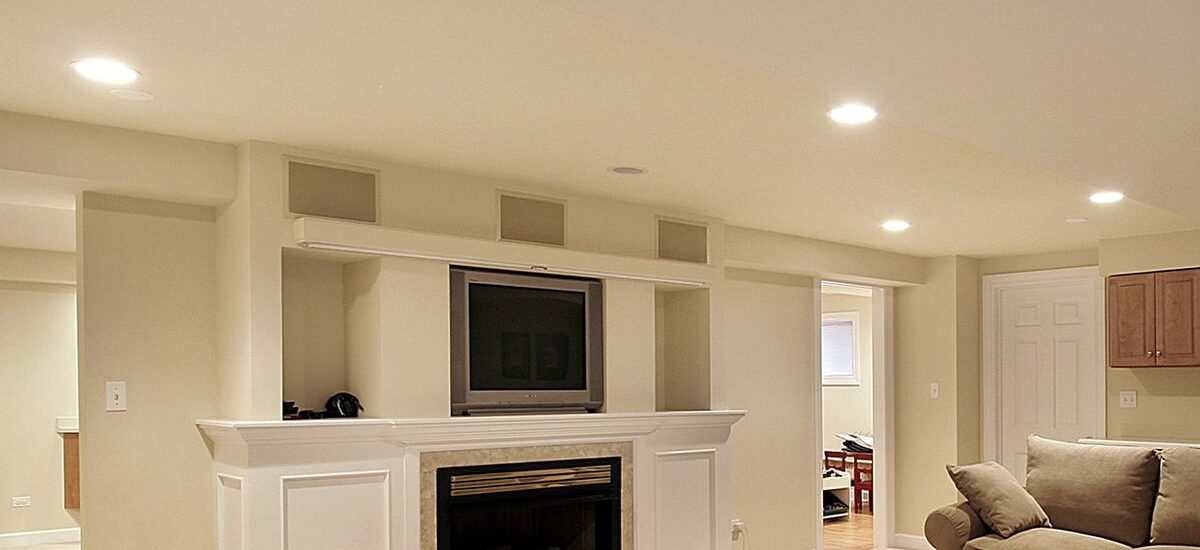
Have you ever walked into a room and thought, “Wow, this place looks so clean and bright”? Chances are, recessed lighting was doing all the hard work. These lights sit right inside your ceiling, so you do not see any bulky fixtures hanging down. They give your home a neat, modern look without taking up any space.
Recessed lighting is one of the most popular choices for homes today. Whether you are lighting up a kitchen, a living room, or even a bathroom, these lights fit in almost everywhere. They work wonderfully with LED bulbs, too, which means they use less power and last a very long time.
In this guide, we will walk you through everything you need to know about recessed lighting. From how they work to where to put them, we have got you covered. By the end, you will know exactly how to make your home look amazing with the right lights.
What Is Recessed Lighting?
Recessed lighting refers to light fixtures that are installed directly into the ceiling. Unlike regular lights that hang down or stick out, these lights are hidden inside the ceiling. You only see a small, round or square opening through which the light comes out.
People also call them can lights, pot lights, or downlights. They are called “can lights” because the housing inside the ceiling looks like a metal can. The light shines downward, making them ideal for lighting specific areas or an entire room evenly.
They come in many sizes, from small 4-inch fixtures to larger 6-inch ones. Each size works better in different spaces, which we will talk about more below.
How Does Recessed Lighting Work?
Each recessed light has two main parts. The first part is the housing, which sits inside the ceiling and holds all the wiring. The second part is the trim, which is the visible ring you see from below.
The housing connects to your home’s electrical system. The trim holds the bulb and gives the light its finished look. Together, they create a clean, built-in appearance that blends right into your ceiling.
Modern recessed lighting uses LED technology. Recessed lighting LED options are energy-efficient and bright. They produce very little heat and can last for many years without needing a replacement.
Read about Electrical Panel Upgrade.
Types of Recessed Lighting
Can vs. Canless Recessed Lighting
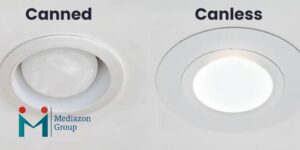
There are two main types you will find today.
Can lights use a metal housing (the “can”) that sits inside the ceiling. They are the traditional style and have been used for decades. You can swap out the bulb or trim when needed.
Canless recessed lighting is the newer option. These lights do not require a large housing. They are thinner and easier to install. They are a fantastic pick if you have shallow ceilings or want a faster setup.
IC-Rated vs. Non-IC-Rated
If your ceiling has insulation above it, you need IC-rated lights. IC stands for “insulation contact.” These lights are safe to touch the insulation without causing a fire risk. Non-IC lights need a gap around them and should not touch insulation.
Retrofit vs. New Construction
Retrofit recessed lighting is made for existing ceilings. You can add them without tearing down your whole ceiling. They are perfect for homeowners who want to upgrade their lighting.
New construction lights are used when building a home or doing a major renovation. They attach to the ceiling joists before the drywall goes up.
Recessed Lighting LED: Why It Is the Best Choice
Switching to recessed LED lighting is one of the smartest things you can do for your home. LED bulbs use up to 75% less energy than old-style bulbs. They also last much longer, sometimes up to 25,000 hours or more.
LED recessed lights come in different color temperatures. Warm white light (around 2700K) feels cozy and is ideal for bedrooms and living rooms. Cool white or daylight (5000K) works better in kitchens, garages, and offices where you need clear, bright light.
LED options also come with dimmer-compatible features. This means you can control the brightness of your lights based on your mood or the time of day. Many smart home systems now support LED recessed lighting, too, so you can control them from your phone.
Recessed Lighting Ceiling: Placement and Spacing
Getting the right placement on your recessed lighting ceiling setup matters a lot. Poor placement can leave dark spots or make the room feel uneven.
Recessed Lighting Spacing Calculator Guide
A simple rule is to divide your ceiling height by two. So if your ceiling is 8 feet tall, place your lights about 4 feet apart from each other. This gives you even coverage across the whole room.
For task lighting, such as lights above a kitchen counter, place them 15 to 18 inches from the wall. This shines light right where you are working without casting shadows.
You can also use a recessed lighting spacing calculator, which many home improvement websites offer for free. Enter your room size and ceiling height to get the number and placement of lights.
Recessed Lighting Layout Tips
It would be beneficial to plan your layout on paper before you begin. Mark where each light will go. Consider furniture placement, too. You do not want a light shining directly onto a sofa or TV, as that can cause glare.
For a standard living room or bedroom, four to six lights usually do the job well. Larger rooms or open-plan spaces may need more.
Recessed Lighting Installation: A Simple Overview
Recessed lighting installation is something many homeowners do themselves. With the right tools and a little patience, it is very doable.
How to Install Recessed Lighting Step by Step
- Turn off the power at the circuit breaker.
- Mark the spots on the ceiling where each light will go.
- Cut holes using a hole saw that matches your fixture size.
- Run the electrical wire from one light to the next.
- Connect the wiring inside each housing.
- Push the housing into the hole and secure it.
- Attach the trim and bulb.
- Turn the power back on and test your lights.
If you are not comfortable working with electrical wiring, hiring a licensed electrician is always the safe choice. Searching for recessed lighting installation near me can help you find local pros quickly.
Adding Recessed Lighting to an Existing Ceiling
This area is where retrofit lights shine. Since they clip into the ceiling from below, you do not need to access the space above. Just cut the hole, connect the wire, and snap the light into place. It is simple and takes less time than traditional installation.
Where to Use Recessed Lighting in Your Home
Kitchen Recessed Lighting
The kitchen is one of the most popular spots. Recessed kitchen lighting gives you bright, even light for cooking and food prep. Place them over the counters and the island for the best results.
Basement Recessed Lighting
Basements often have low ceilings and not much natural light. Recessed ceiling lights are perfect here because they do not take up any headroom. They make the space feel open and bright.
Outdoor and Exterior Recessed Lighting
Yes, you can use recessed lighting outside, too. Outdoor recessed lighting and exterior recessed lighting fixtures are made to handle weather. Use them under porch ceilings, in soffits, or along covered walkways for a clean outdoor look.
Square Recessed Lighting for a Modern Look
If you want a more modern or designer feel, square recessed lighting is a great pick. Instead of the traditional round shape, these have a square trim that looks very stylish in contemporary homes.
Smart and Modern Recessed Lighting Options
Smart recessed lighting lets you control your lights with voice commands or a smartphone app. You can set timers, dim the lights, or change color temperature without getting off the couch.
Modern recessed lighting also includes options like adjustable gimbal trims, which let you tilt the light in different directions. These are great for highlighting artwork or architectural features in a room.
Read more content at Mediazon
Conclusion
Recessed lighting is one of the best ways to brighten up your home without making it look cluttered. Whether you go with recessed lighting LED fixtures, canless recessed lighting, or retrofit options, there is a style and type that fits every room and every ceiling. They work beautifully in kitchens, basements, outdoor areas, and living rooms, giving you clean light exactly where you need it.
If you are planning a lighting upgrade, start with a simple recessed lighting layout plan. Think about your ceiling height, room size, and how much light you need in each area. With the right recessed lighting ceiling setup and proper recessed lighting installation, your home can look and feel completely transformed. Good lighting is not just about seeing clearly. It is about making your space feel welcoming, modern, and just right.
Frequently Asked Questions
Q1: What is recessed lighting? It is a light fixture installed inside the ceiling, so only the opening is visible from below.
Q2: What is the difference between can lights and canless recessed lighting? Can lights use a metal housing inside the ceiling? Canless lights are thinner and do not need housing.
Q3: Is recessed LED lighting better than regular bulbs? Yes. LED bulbs use less energy, last longer, and produce less heat.
Q4: How far apart should recessed lights be? Divide your ceiling height by two. For an 8-foot ceiling, space lights about 4 feet apart.
Q5: Can I install recessed lighting myself? Yes, especially with retrofit kits. But if you are unsure about wiring, always hire a licensed electrician.