

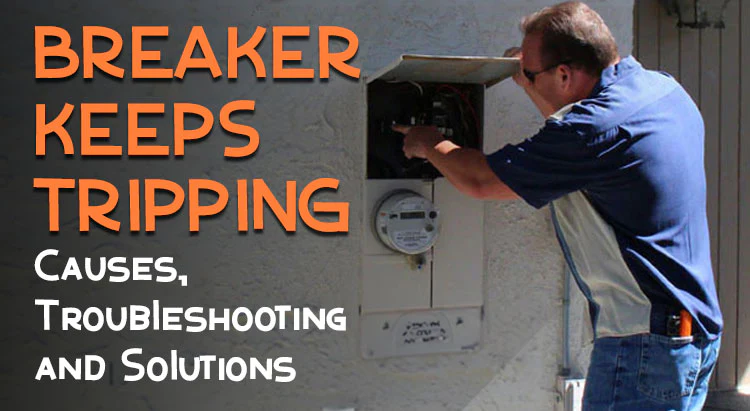
Your circuit breaker keeps tripping because it is doing its job. It found a problem and shut the power off to keep you safe. The real question is what caused it and whether you can fix it yourself.
This guide covers every common reason a breaker trips, a simple 5-step troubleshooting checklist you can use right now, and clear signs that tell you it is time to stop resetting and call a licensed electrician.
How a Circuit Breaker Works in Simple Terms
A circuit breaker is a safety switch in your electrical panel. When too much electricity flows through it, it flips off to stop overheating or a fire. Think of it like a pressure valve on a water pipe. When pressure gets too high, the valve opens to prevent a burst.
One trip is normal. Repeated tripping is a warning. Each time your breaker trips, it is protecting your home from something that has not been fixed yet.
Why Does My Breaker Keep Tripping All of a Sudden?
If your breaker was working fine and recently started tripping, one of three things changed.
Your Circuit Is Overloaded
This is the most common cause. An overloaded circuit happens when you pull more power than the circuit is rated for. A standard 15-amp bedroom circuit can only handle a limited number of devices at once. Add a space heater, a gaming console, and a TV on the same circuit and you will trip it regularly.
Quick fix: Unplug devices one at a time until the breaker holds. Move high-draw appliances like heaters and chargers to separate circuits.
A Short Circuit Inside a Device or Wall
A short circuit happens when a hot wire contacts a neutral wire where it should not. This creates a sudden surge that trips the breaker immediately. You may hear a pop or notice a burning smell near an outlet.
What to do: Unplug everything on that circuit. If the breaker resets and holds with nothing plugged in, a specific device is the problem. Test each one individually.
A Ground Fault
A ground fault is similar to a short circuit but involves the ground wire or a metal component. Bathrooms, kitchens, garages, and outdoor outlets are highest risk because moisture makes ground faults more likely. GFCI outlets in those areas are designed to catch these first.
The Breaker Itself Is Worn Out
Breakers are not built to last forever. After years of tripping and resetting, the internal mechanism wears down. An aging breaker can start tripping under normal loads that never caused a problem before. If your panel is more than 25 years old and a single breaker trips constantly, the breaker may simply need replacing.
Why Does My Breaker Keep Tripping in One Room?
When only one room loses power, the fault is almost always isolated to that circuit. Here is what to look for.
Too Many Devices on One Circuit
Older homes often have one 15-amp circuit covering an entire bedroom or living room. Modern devices draw more power than homes from the 1980s were designed to handle. Running multiple high-wattage items in one room is a very common cause of repeated trips in that space.
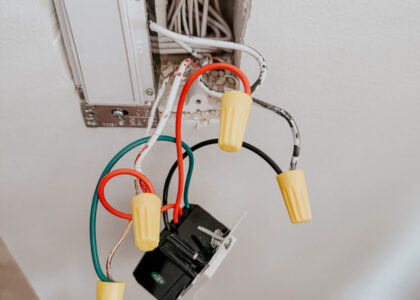
A Faulty Outlet or Loose Connection
One damaged outlet or a single loose wire connection can cause the whole circuit to behave unpredictably. An electrician can test each outlet on that circuit in about 20 to 30 minutes to find the faulty point.
DIY or Unpermitted Wiring Work
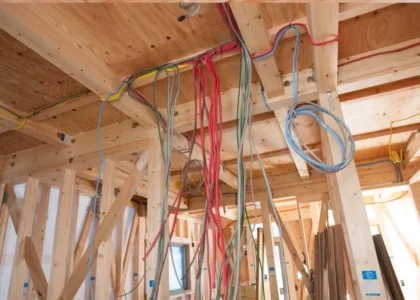
If a previous owner added a room or did renovation work without a licensed electrician, the wiring in that area may be undersized or incorrectly connected. This shows up as repeated tripping in one specific room or area of the house.
Why Does My Breaker Keep Tripping With Nothing Plugged In?
This is the most important scenario to take seriously.
If your breaker trips with zero devices connected, the problem is inside the wall. This points to a short circuit or ground fault in the wiring itself, not in any appliance. It could be a wire that has been pinched, chewed by pests, or degraded by age and heat.
Do not keep resetting a breaker that trips with nothing on the circuit. Each reset pushes current through a fault point that is already damaged. Leave that breaker off and call a licensed electrician before using that circuit again.
Is It Dangerous if a Circuit Breaker Keeps Tripping?
A single occasional trip is not dangerous. It is the breaker working correctly. Repeated tripping that you ignore is where the risk grows.
When a fault point stays unfixed, heat builds up inside the wall over time. The U.S. Fire Administration notes that electrical fires are among the leading causes of residential structure fires each year. Wiring problems and overloaded circuits are contributing factors in a significant share of those incidents.
The specific risks from ignoring repeated trips include:
- Wire insulation melting inside walls, which can ignite nearby materials
- A breaker wearing out to the point where it stops tripping and just lets current flow unchecked
- Connected devices receiving unstable power that damages motors, compressors, and electronics
If your breaker trips more than twice in a week without a clear cause you have already fixed, that is the point to stop resetting and start investigating.
Breaker Keeps Tripping After Reset? Here Is Why
Resetting once is fine. Resetting the same breaker three times in a day is a problem.
Reason 1: You reset, but the overload is still there. Resetting does not remove whatever is drawing too much power. The breaker will just trip again in minutes.
Reason 2: There is a short circuit that has not been found. A short circuit will trip the breaker almost immediately after reset. If this happens, switch the breaker off and do not reset it again until an electrician checks the circuit.
Reason 3: The breaker is failing. A breaker that trips under a normal load it previously handled without issue is likely worn out. Breaker replacement is not a DIY job because it requires working inside a live panel.
Why Does My Breaker Keep Tripping When I Plug Something In?
Test this in two steps.
Step 1: Plug the same device into an outlet on a different circuit. If it works fine there, the original circuit is overloaded or has a wiring issue.
Step 2: If the device trips every circuit you plug it into, the device has an internal fault. Stop using it and have it inspected or replaced.
If a specific outlet trips the breaker no matter what you plug into it, that outlet or the wiring behind it needs professional testing.
5-Minute Troubleshooting Checklist
Use this before calling anyone. Work through each step in order and stop the moment you find the cause.
Step 1: Identify which circuit tripped. Look at your electrical panel. The tripped breaker will be in the middle position or fully off. Check the panel label to see which room or area it covers.
Step 2: Unplug everything on that circuit. Go to every outlet in the affected area and unplug all devices. Turn off all lights on that circuit too.
Step 3: Reset the breaker. Push it firmly to OFF first, then push it all the way to ON. If it trips immediately with nothing connected, skip to Step 5.
Step 4: Plug devices back in one at a time. Wait 10 seconds between each one. When the breaker trips again, the device you just plugged in is likely the cause. Move it to a different circuit or replace it.
Step 5: Call a licensed electrician if:
- The breaker trips with nothing plugged in
- You smell burning near the panel or any outlet
- The breaker is warm or hot to the touch
- Tripping has been happening daily for more than a week
- Your home is more than 30 years old with original wiring
Common Breaker Trip Causes at a Glance
Here is a simple summary of the most common causes:
| Cause | What It Means | DIY Fix? |
| Overloaded circuit | Too many devices on one circuit | Yes, unplug devices |
| Short circuit | Wires touching where they should not | No, call an electrician |
| Ground fault | Hot wire touching ground | No, call an electrician |
| Weak or old breaker | Breaker needs replacement | No, call an electrician |
| Faulty appliance | Device has internal wiring issue | Yes, replace the device |
| Old home wiring | Wiring is worn or undersized | No, call an electrician |
When to Call a Licensed Electrician
Some problems are not safe to troubleshoot on your own. Call a licensed electrician when:
- The breaker trips with nothing on the circuit
- You can smell something burning near outlets or the panel
- The panel box or breaker feels warm to the touch
- You see any scorching, melting, or discoloration on outlets
- Lights flicker in the moments before the breaker trips
- The same breaker has tripped more than three times in one week
- Your home is older and has never had a wiring inspection
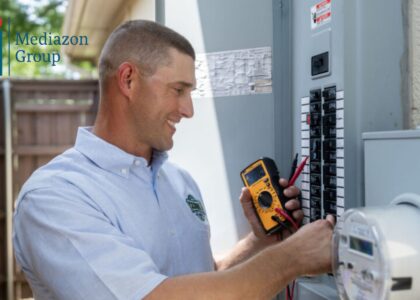
A licensed electrician will inspect your panel, test each outlet on the affected circuit, check wire connections for looseness or corrosion, and confirm whether your breaker needs replacing or your circuit needs upgrading.
What Electricians Actually Do During a Breaker Inspection
When a licensed electrician visits for a repeated breaker trip problem, here is the typical process:
They start at the panel, checking for visible damage, burn marks, or moisture. They test the breaker itself under load to see if it holds correctly. They then move through the affected circuit outlet by outlet using a circuit tester. Finally they check all wire connections inside junction boxes for looseness or heat damage.
In older homes, they may recommend adding circuits to balance the electrical load, upgrading to a 200-amp panel if the home currently has 100-amp service, or replacing sections of outdated wiring.
Breaker Tripping in Older Homes
Homes built before 1990 were designed for far fewer electrical devices than we use today. A 100-amp service panel, which was standard for decades, is often insufficient for modern households running smart TVs, EV chargers, air conditioning systems, and multiple home offices.
If your home is older and you are seeing repeated breaker trip issues across multiple circuits, the long-term solution is a panel upgrade. This is a one-time investment that brings your home’s electrical capacity up to modern standards and eliminates the root cause of recurring trips.
Conclusion
A circuit breaker that keeps tripping is not a minor inconvenience. It is your electrical system flagging a real problem that needs attention. Most of the time the cause is simple, an overloaded circuit or a single faulty device, and you can find it with the 5-step checklist above.
But if your breaker keeps tripping after reset, trips with nothing plugged in, or the same breaker is tripping daily, stop resetting it and call a licensed electrician. The cost of a professional visit is small compared to the cost of damaged appliances, failed wiring, or a fire caused by an ignored fault. Your breaker is built to protect you. Trust it when it keeps telling you something is wrong.
Frequently Asked Questions
Q1: Is it dangerous if my circuit breaker keeps tripping? Occasional tripping is normal and safe. Tripping that repeats without a fixed cause means there is an unresolved fault in your wiring or a device, which carries a real fire risk over time.
Q2: Why does my breaker keep tripping all of a sudden with nothing changed? The breaker itself may be worn out, or a wire connection inside the wall has loosened or corroded without any visible sign.
Q3: Why does my breaker keep tripping in one room only? That room runs on its own circuit. The most likely causes are too many devices on that circuit, one faulty outlet, or incorrect wiring from past renovation work.
Q4: Can I fix a tripping breaker myself? You can safely unplug devices and reset the breaker once. If it trips again without a load, that is a job for a licensed electrician.
Read Valuable Content At Mediazone